About Me
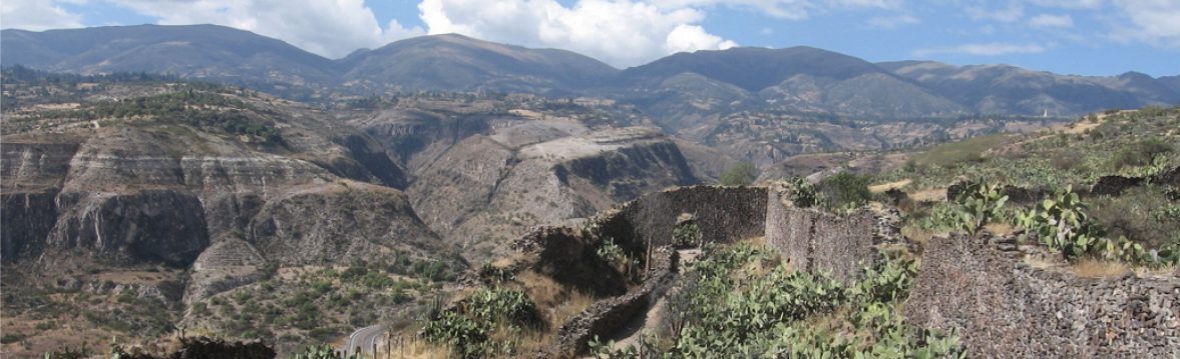
I’m an anthropological bioarchaeologist who explores how society structured health outcomes for populations in the past. In particular, I examine how past instances of state power, imperialism, and colonialism impacted (and continue to impact) people and their communities. I evaluate these topics by analyzing mummies and skeletons from archaeological contexts, primarily in the Peruvian Andes, to investigate how state policies and practices structured health status, diet, exposure to violence, residential mobility, and lived experience of ruling and subject peoples. In collaboration with Peruvian scholars and community members, I document such things as skeletal and dental lesions indicative of disease, violence-related trauma on the skeleton, and isotopic data to reveal insights into foodways and the political economy, child nutritional health, and residential mobility. The osteological and isotopic data are integrated with information on material culture (artifacts and architecture of their homes, villages, and cities) and local ecology, to ensure a robust analysis that provides the foundation for empirically based knowledge of past peoples. The bioarchaeological and material culture data are integrated with theoretical perspectives on structural violence, embodiment, and the process of constructing personhood and one’s place in a community to tackle questions about how health, treatment of the living and dead body, and society are entangled. As part of this larger research frame, I conduct studies on what I call a “bioarchaeology of imperialism”, which aims to elucidate the biocultural impact of archaic forms of imperialism on community health and individual lifeways. My ongoing studies in the Andes examine how Wari imperial structures (AD 600 – 1000/1100) affected, and were affected by, heartland and southern hinterland groups. Among these Wari-affiliated communities, I am documenting such things as mortuary practices, disease rates, dietary practices, migration patterns, genetic profiles as viewed through ancient mtDNA, body modification, frequencies of trauma, and specific kinds of culturally mediated violence (e.g., ritual fighting, corporeal punishment, domestic violence).
My research program also extends to studies of the decline of imperial power. My NSF-funded research has examined the disintegration of the Wari Empire, including possible explanations for Wari decline, as well as the community health effects of that collapse. My various publications on the Bioarchaeology of Wari Imperialism and other bioarchaeological themes can be downloaded as PDFs from my Publications page.
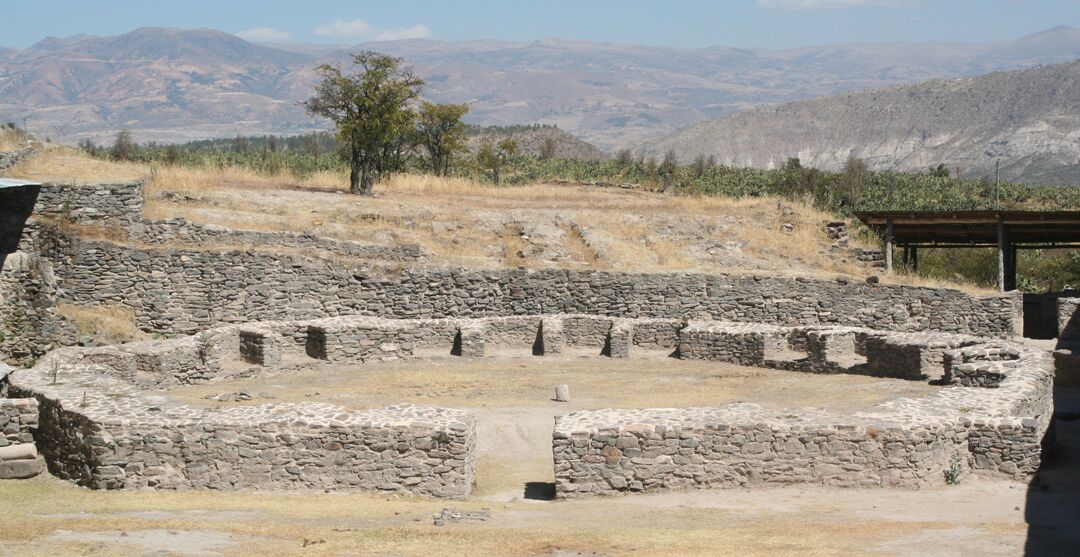

This ongoing research on Wari imperial decline has been funded by the Wenner Gren Foundation for Anthropological Research and the National Science Foundation–and this work investigates how the collapse of Wari political infrastructure affected morbidity profiles, diet and nutrition, the prevalence and patterns of violence, and funerary practices, including post-mortem processing and dismemberment. This research will aid in providing a diachronic view of community health, foodways, migration patterns, and lived experience from a time of imperial rule to political disintegration. This socio-political transition, which coincided with a period of climate change (intense drought), likely contributed to social and political strife, which may have been manifested as violent conflict and unequal access to some food resources.

I am the director of the long-term research program, “The Beringa Bioarchaeology and Archaeology Project” in the Majes valley, Department of Arequipa. I have been directing that project since 2001, for which we recovered at least 150 individuals from this Wari-affiliated site, including intact mummies and partially complete skeletons. Ongoing stable isotope analyses of this population, in conjunction with mortuary and osteological data are providing a much needed view of life in the southern hinterland of the Wari domain.
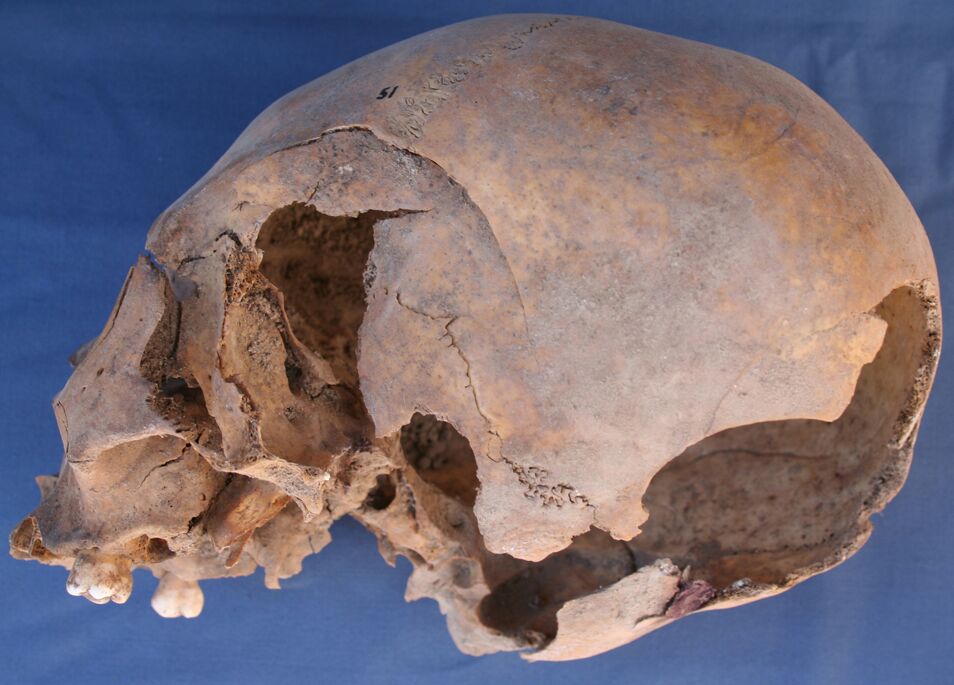
Monqachayoq sector at Huari.
I am also the Project Bioarchaeologist for collaborative projects with William Isbell, Anita Cook, and Barbara Wolff at the sites of Conchopata and Huari– important Wari imperial sites located near the city of Ayacucho. My osteological analysis of the approximately 330 burials—only some of which are complete— has provided the basis for documenting health status and mortuary rituals in the Wari imperial heartland. We continue to conduct stable isotope analyses of this mortuary population to better understand changes in diet and nutrition from the early to late phases of Wari imperial rule and to the time of Wari decline. Those studies are particularly focused on gender-based differences in diet and how those change through time. My collaborators and I also conducted an ancient epigenetic analysis of these Wari era populations in comparison to the post-Wari populations.
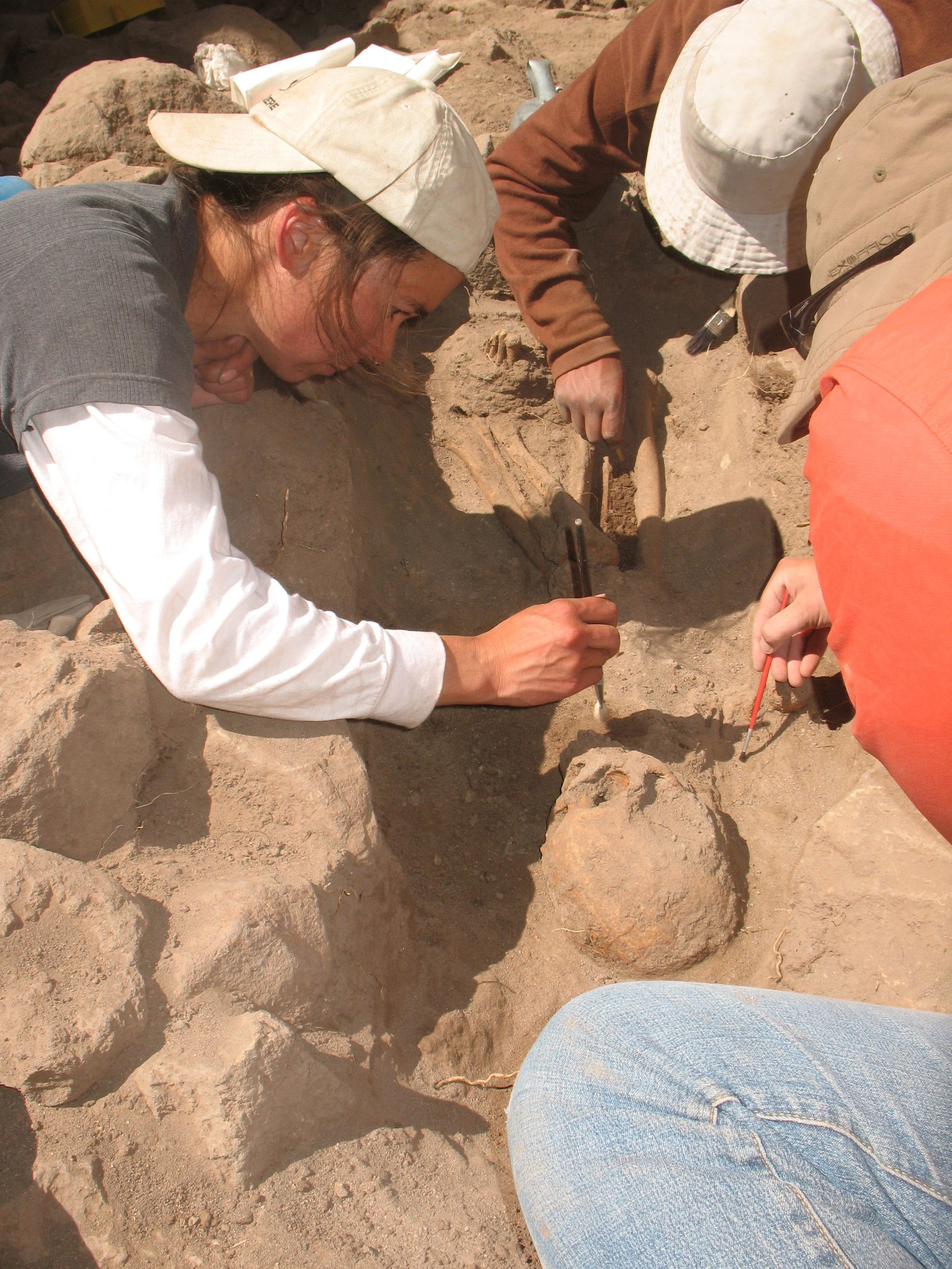
My interests in early forms of imperialism extend into the early Spanish colonial era in Peru, where I collaborate with Dr. Steve Wernke, director of the “Tuti Antiguo Archaeological Project” in the Colca valley of southern highland Peru (Department of Arequipa). I am the Project Bioarchaeologist, and I oversaw the excavation and analysis of human burials from two major sectors at the site of Malata: 1) the Late Horizon (Inka era, AD 1450 – 1532) burial towers (chullpas) located at the eastern edge of the site and 2) the early colonial Spanish chapel where individuals were interred under the chapel floor. Analysis of these human remains ties into my broader interests in the biocultural effects of imperialism and colonialism, for this local Collagua ethnic group was first conquered by the Inka, and shortly thereafter, by the Spanish.
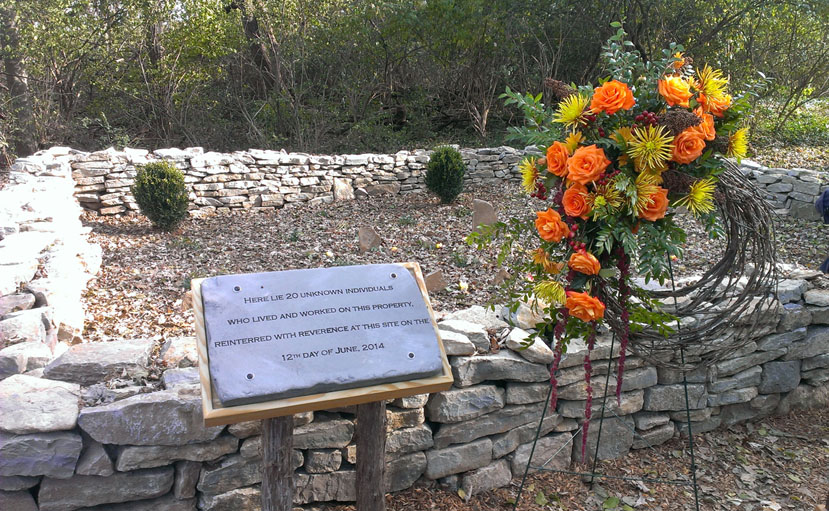
With support from the Wenner Gren Foundation for Anthropological Research, I conducted an important study of the enslaved community that was buried without any grave markers at the former Grassmere Plantation in Nashville, Tennessee. This area is now known as the Grassmere Historic Home at the Nashville Zoo. In collaboration with the CRM firm, TRC Solutions, the Historic Site Manager at the Nashville Zoo (Tori Mason), and Dr. Shannon Hodges of MTSU, we collaborated on a study that retells the life experiences of those individuals who were omitted from the written records at the plantation. I am the director of the Vanderbilt Bioarchaeology and Stable Isotope Research Lab (BSIRL), which is using stable oxygen isotope analysis (and strontium isotope analysis in collaboration with Dr. John Krigbaum at Univ. of Florida) to examine whether the people buried there were from the local Nashville area or were forced to move to the Grassmere Plantation later in their lives. Further, the BSIRL team is conducting stable carbon and nitrogen isotope analyses to aid in reconstructing the diet and foodways of the enslaved community, revealing the creative ways that enslaved peoples resisted institutionalized structures of violence and generated new forms of cultural expression through cuisine and other means. The individuals were reburied in a ceremony (see photo below) organized by the curators at the Grassmere Historic Home and in consultation with the descendants of the last known African American family (the Morton Family) who resided there.
I also collaborate with other PIs on projects, such as the site of Auquimarca in central, highland Peru; Chavín de Huántar in the northern Peruvian highlands; and Mayan sites in northern Belize, among others. Currently, I am collaborating with researchers at The Francis Crick Institute on a project analyzing the origin and evolution of dogs (Canis). This project includes dogs from around the world, including remains from the faunal assemblages at La Real and Beringa, Wari-affiliated archaeological sites in the Majes Valley of southern Peru that I have worked at extensively. I am always interested in establishing new partnerships. If you are interested in collaborating on projects involving bioarchaeology and/or stable isotope analysis, please contact me at t.tung@vanderbilt.edu
Working with students and the broader community is an integral part of my work. I advise Ph.D. students, undergraduate students in the Anthropology Senior Honors Program, undergraduate Immersion Vanderbilt projects, and high school interns. My outreach goes beyond the classroom, stretching from guest lectures around Tennessee and Peru to a children’s book about the career or a bioarchaeologist. To learn more about my public science education initiatives, please visit the Service and Public Outreach page.
 Tiffiny A. Tung