Bioarchaeology & Stable Isotope Research Lab (BSIRL)
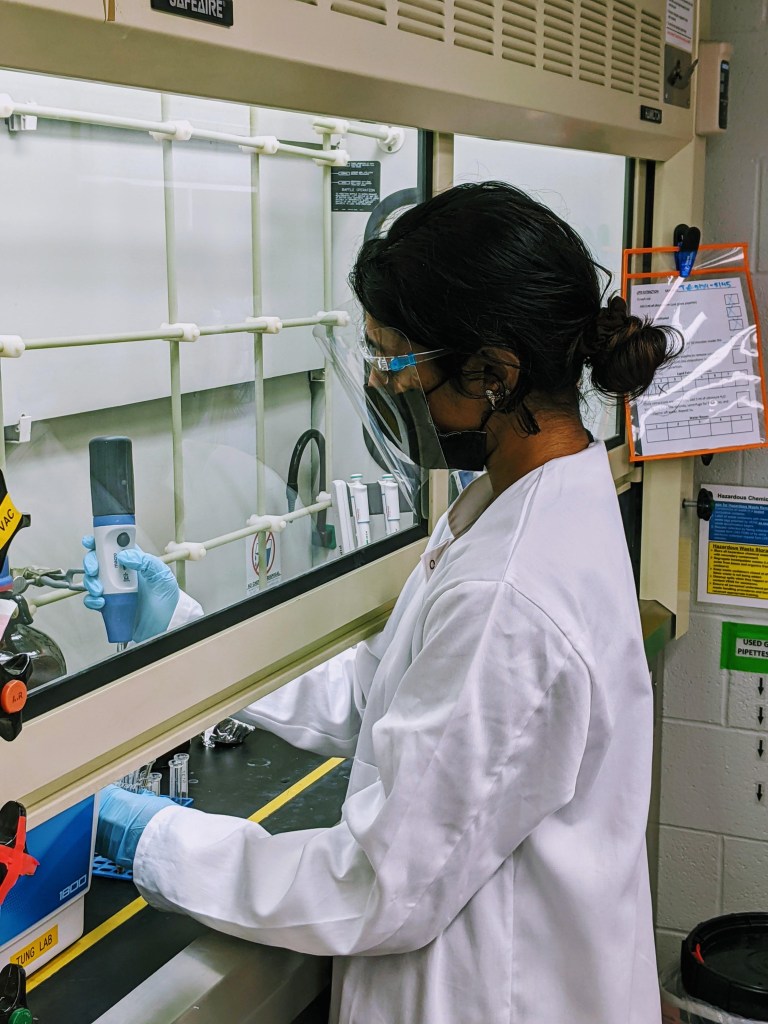
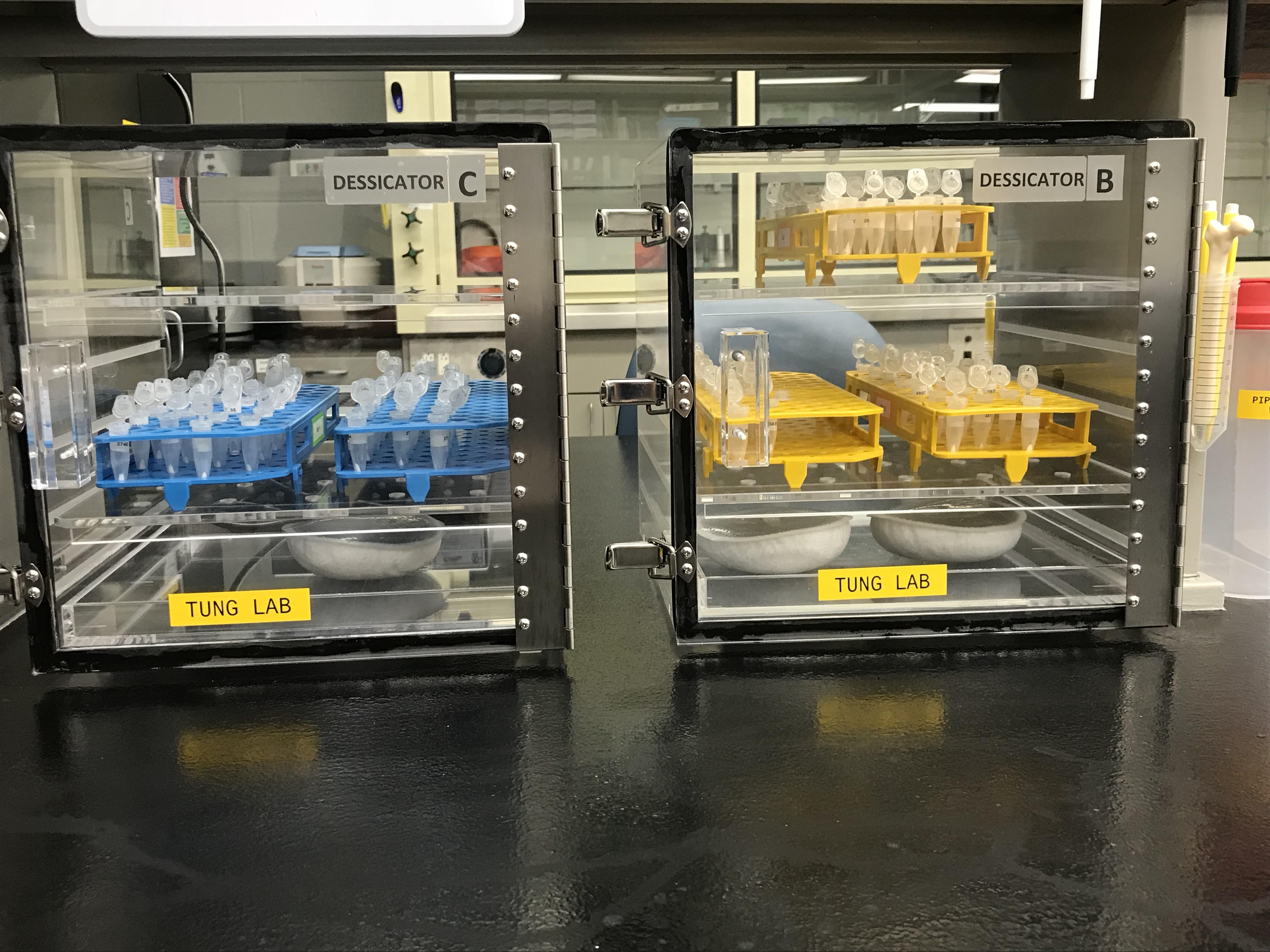
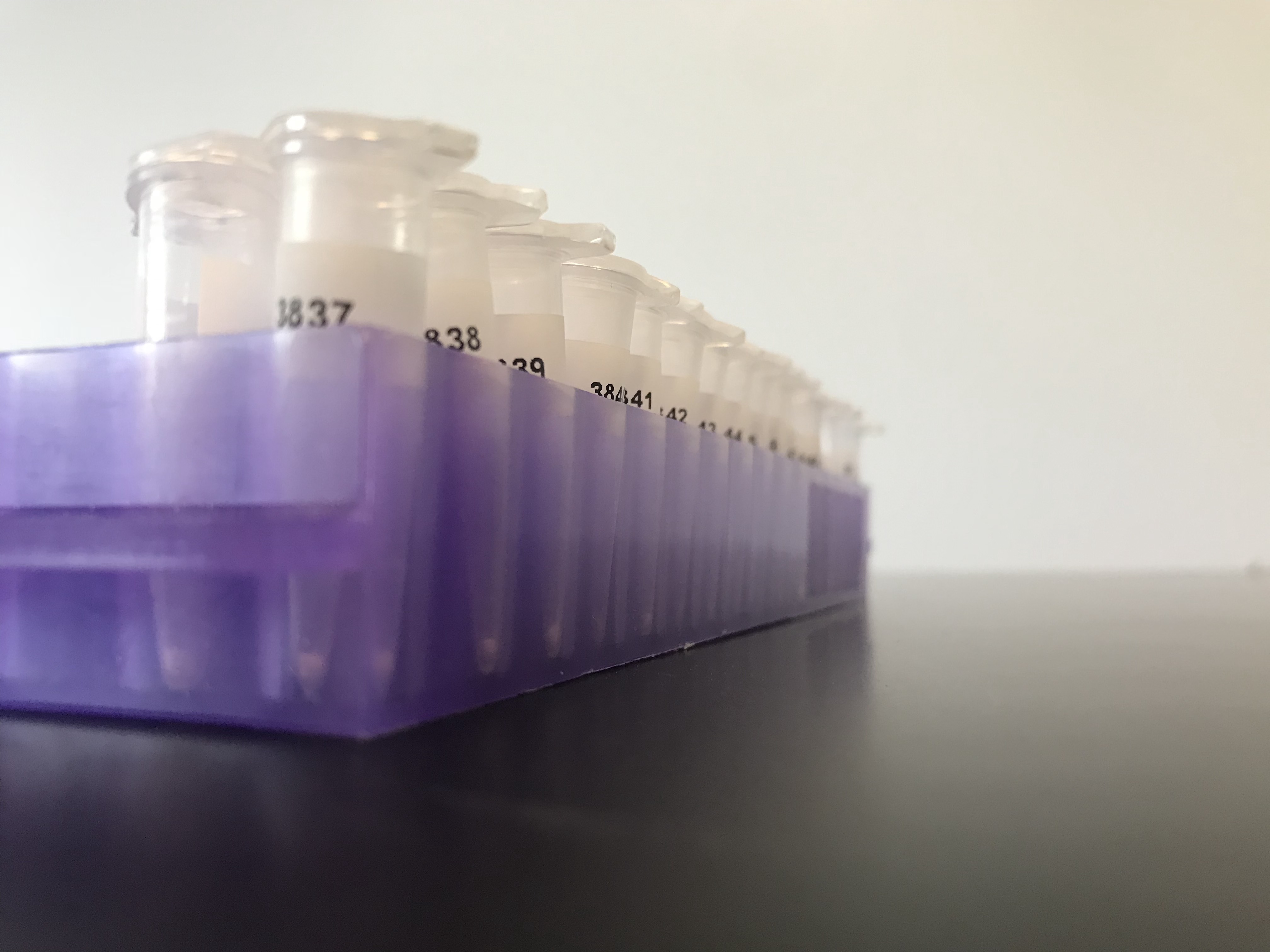
Tung’s research lab is known as the Vanderbilt Bioarchaeology Stable Isotope Research Lab (BSIRL). Researchers and students prepare bone and dental samples from humans and animals, as well as plants from various archaeology sites in the Americas, primarily from Peru, Bolivia, Mexico, Guatemala, Belize, and the United States, where many of our faculty and graduate students conduct research. We prepare bone collagen for carbon, nitrogen, and sulfur isotope analyses, bone apatite (carbonates) for carbon and oxygen, and dental apatite (carbonates) for carbon, oxygen, and strontium.
Tung and her students and colleagues conduct stable isotope analyses of archaeological human and animal samples to address questions about ancient dietary practices (using carbon, nitrogen, and sulfur isotopes) and migration patterns (using oxygen and strontium isotopes). Modern plant (carbon and nitrogen) and water (hydrogen and oxygen) samples are also examined. The oxygen isotope data also aid in reconstructing the climate from the eras to which the human and animal samples belonged.
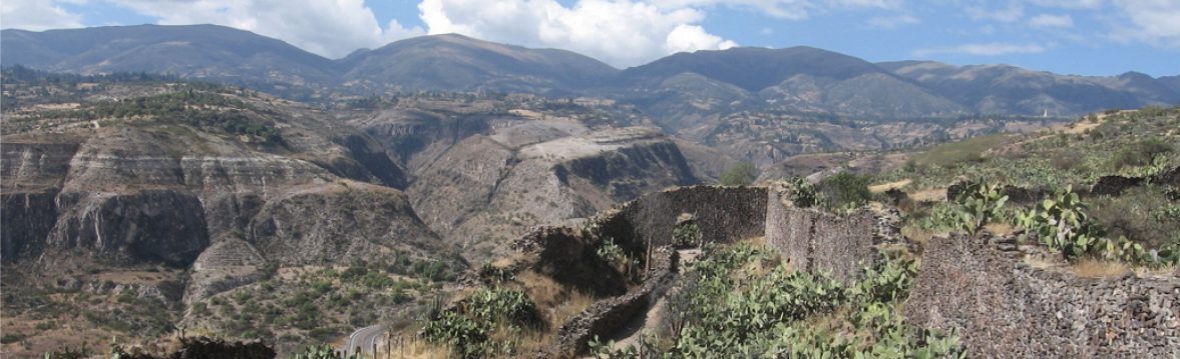
The stable isotope research is conducted in this lab on the Vanderbilt campus, and much of the macro-skeletal analysis is conducted at field lab sites in Ayacucho and Arequipa, Peru.
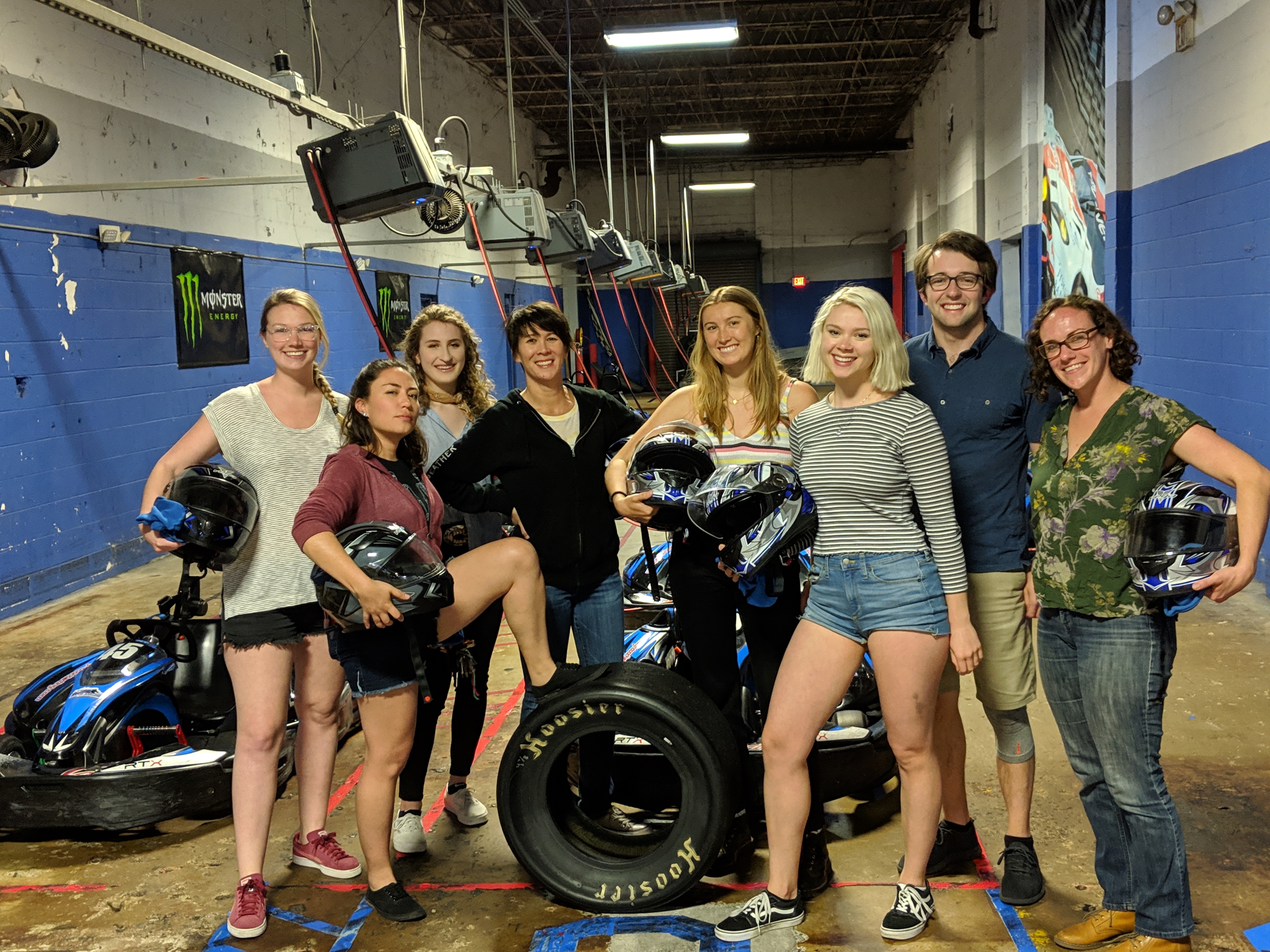
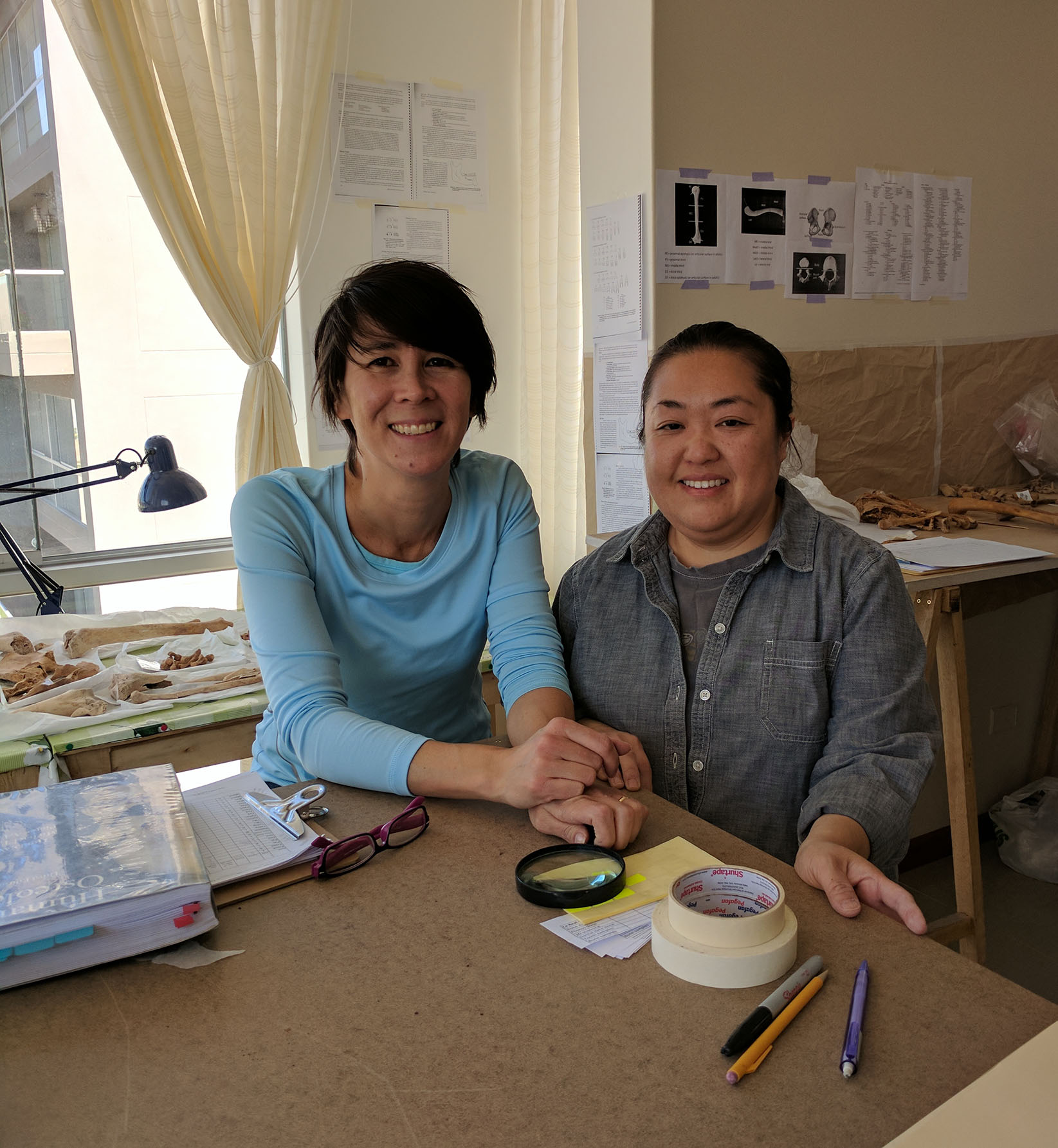
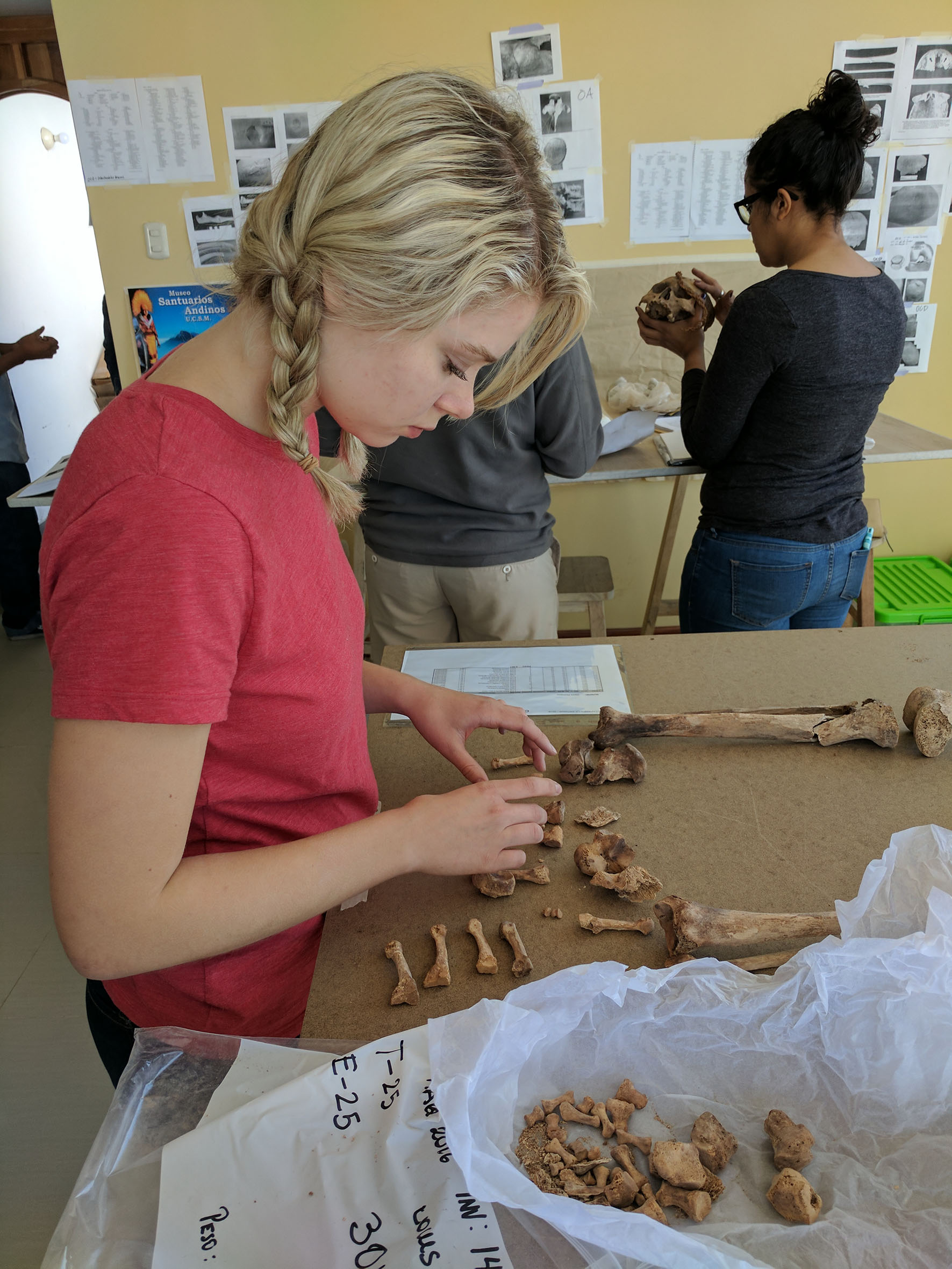
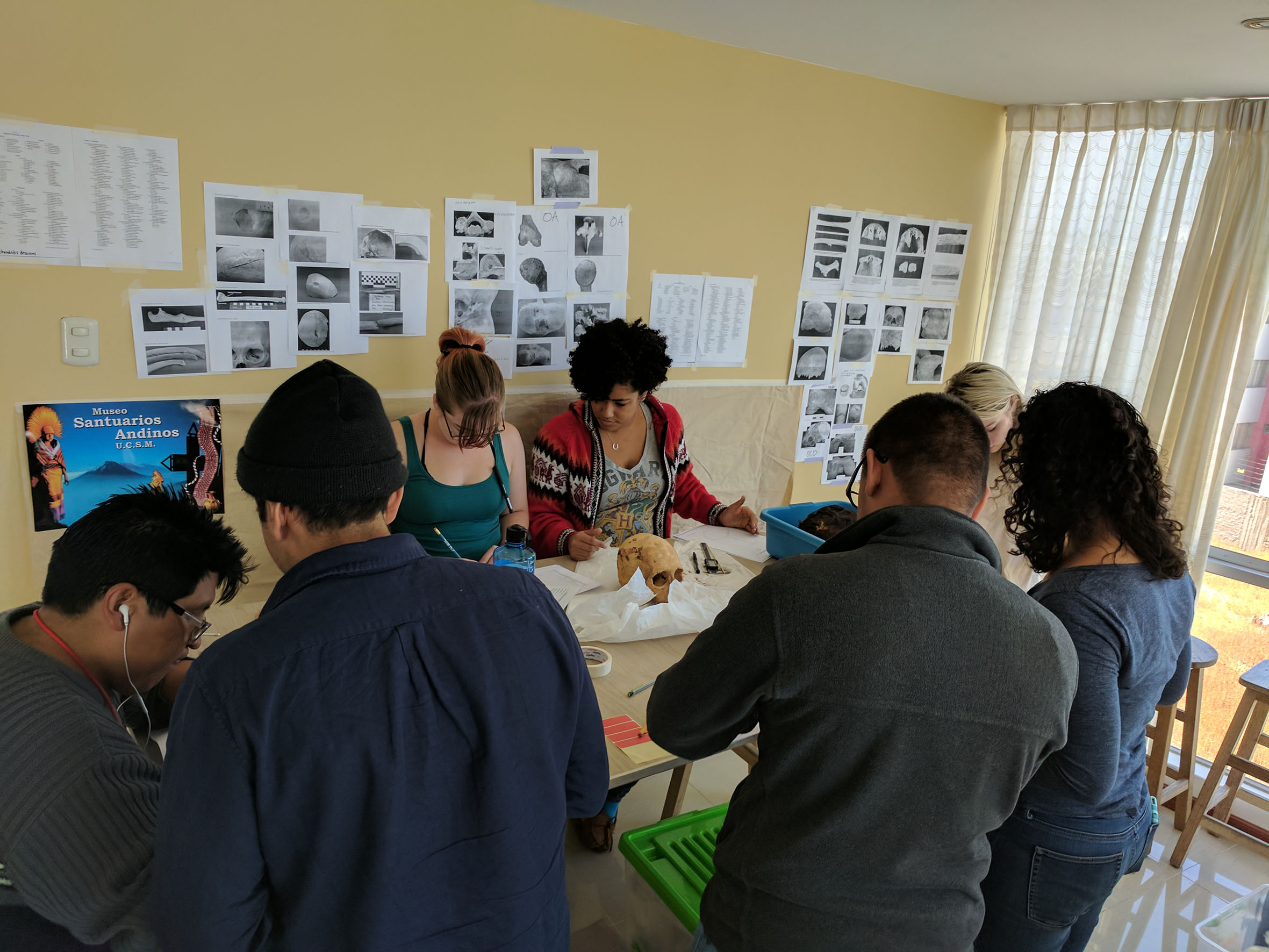

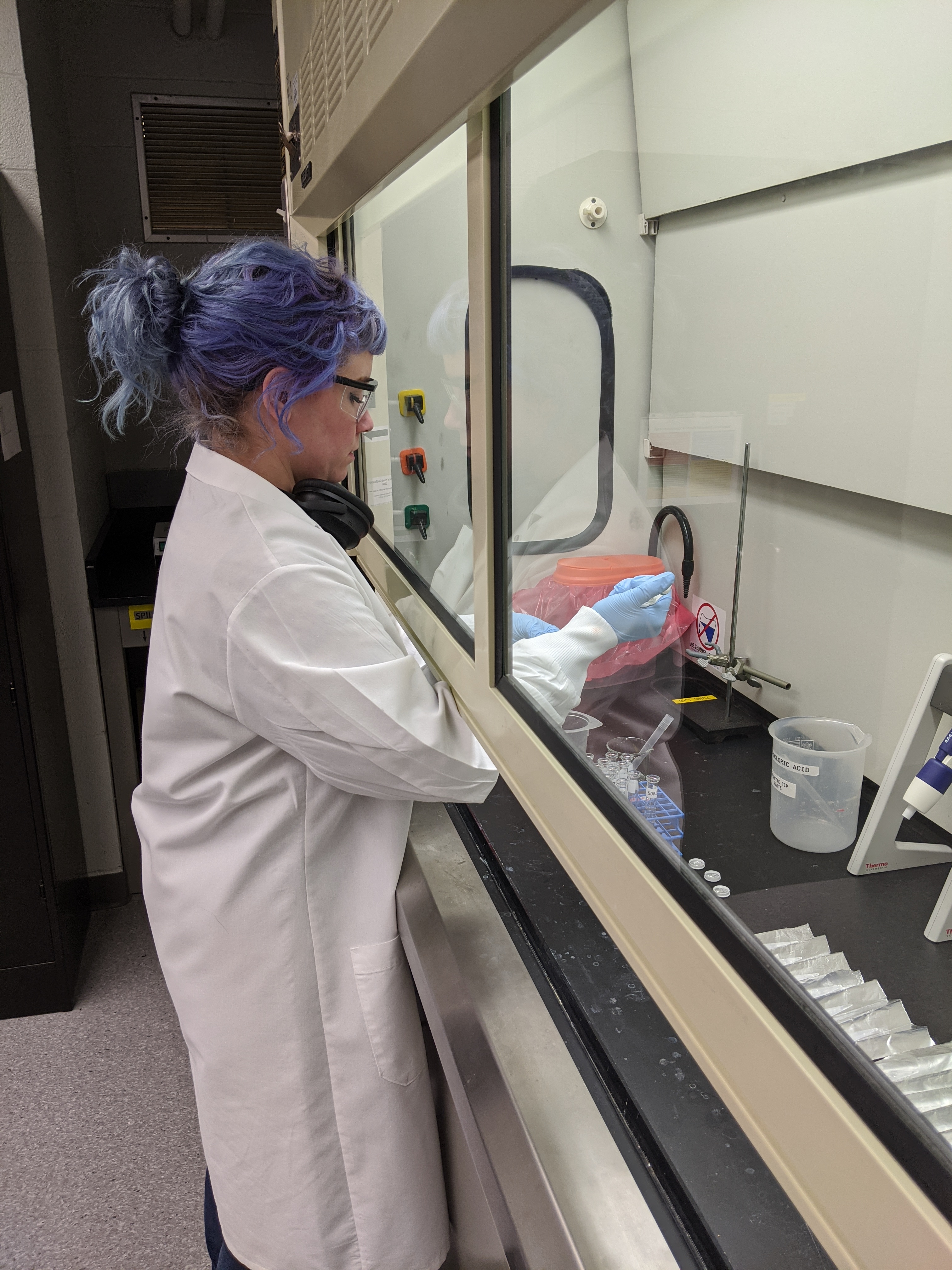

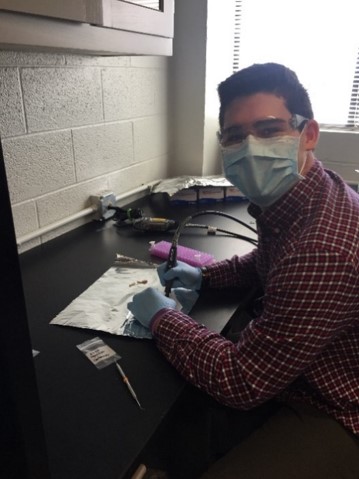
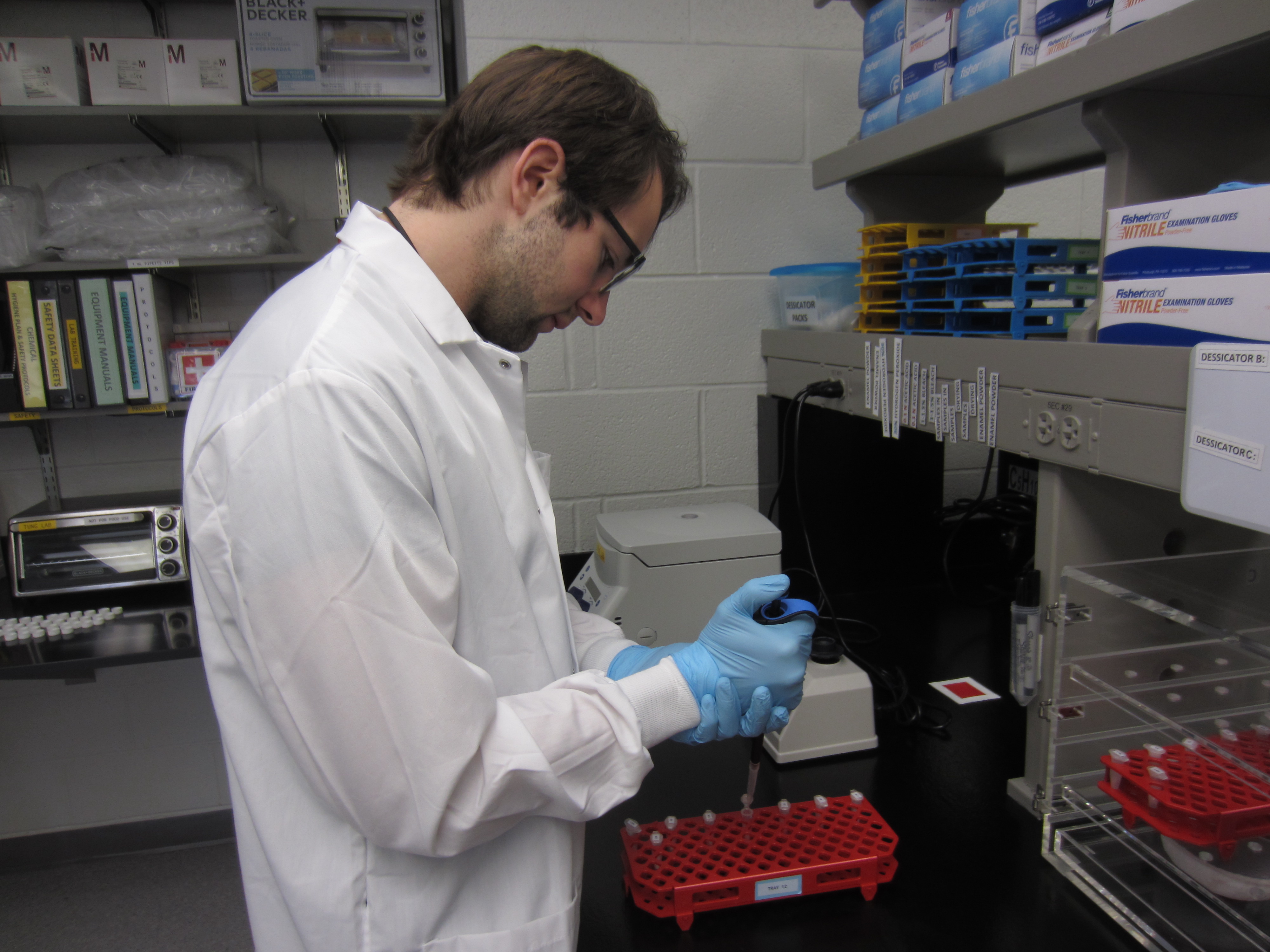
2025-26 BSIRL-Tung Lab Undergraduate Student Team
Sophia Koss, 2026
Majors: Anthropology and Medicine, Health, and Society
Research interests: I am interested in the cross-section of anthropology and medicine, as I hope to pursue medical school.
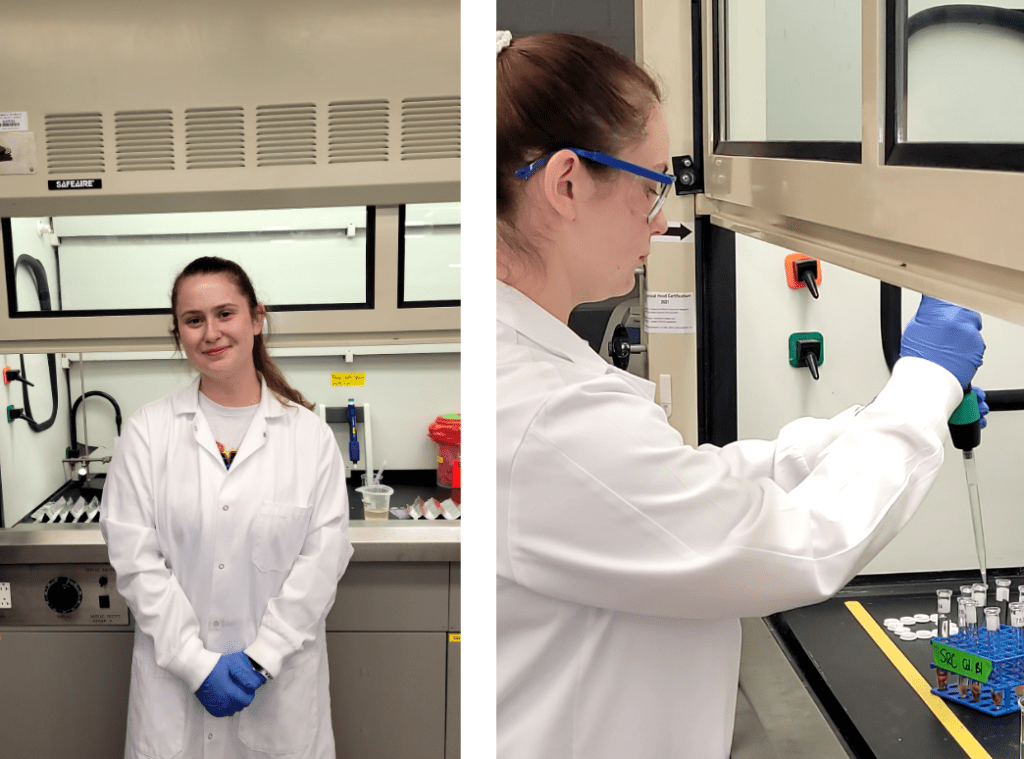
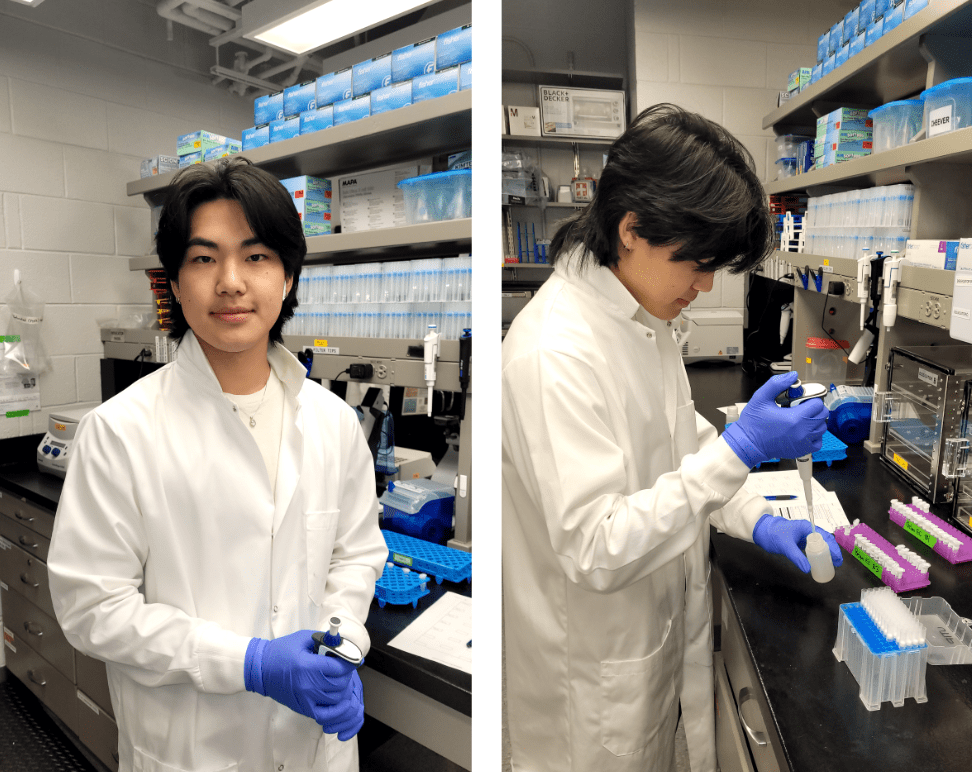
Eugene Min, 2026
Major: Biology, Minor: History.
Research interests: My research interests are ancient teeth and the DNA found in the dental calculus, which can provide clues about disease patterns in the past.
Click to view past BSIRL-Tung Lab Undergraduate Student Lab Teams
2024-25 BSIRL-Tung Lab Undergraduate Student Lab Team
2023-24 BSIRL-Tung Lab Undergraduate Student Lab Team
2022-23 BSIRL-Tung Lab Undergraduate Student Lab Team
2021-22 BSIRL-Tung Lab Undergraduate Student Lab Team
2019-20 & 2020-21 BSIRL-Tung Lab Undergraduate Student Lab Team

