
Through my research and teaching, I have developed a strong commitment to public science education. I have given lectures at K-12 schools and public events in the US and Peru, written a children’s book about bioarchaeology, and participated in a Discovery Channel television series about various bioarchaeological case studies. Science education and outreach like this, upon many other excellent examples from researchers around the globe, inspires the next generation to pursue their interests in the sciences. Scientific and anthropological skills and perspectives are applicable in any line of work, so public science education works as a method of workforce development that serves the greater society in the long-term.
If you are also interested in science education for the public, particularly as it relates to the teaching of evolution in public schools, please visit the website for the National Center for Science Education. At Vanderbilt University, the student-run organization, Vanderbilt Student Volunteers for Science (VSVS), creates and teaches lessons for elementary and middle school student about various STEM topics that are available to the public here.
I’m a Bioarchaeologist Now!
In collaboration with my colleagues David Weintraub, Ann Neely, and Kevin Johnson (Vanderbilt University), I wrote a children’s book (ages 6-12) about my career and journey to becoming a bioarchaeologist. Published through WS Education, the book explains how archaeology and biology can be used to understand how people in the past lived and why they moved from one part of the Earth to another. The goal of the broader Who Me? series, of which this book is a part of, is to show students that scientists are regular people just like them who are excited to learn and discover new things about the world they live in. The book poses discussion questions for educators and family members to ask their students and provides resources with additional information about biological anthropology.
Lectures at Schools and Events
I share my fascination of biological anthropology and archaeology with the general public by giving public lectures, both in the US and Peru. I give yearly lectures about bioarchaeology and osteology at a summer program for middle school students in and around Nashville. I have also lectured at the Medical Explorers Program, organized by Vanderbilt University Medical Center, in which high school students learn about careers in science, healthcare, and related fields. Advanced undergraduates and graduate students in bioarchaeology often assist me in overseeing the osteology lab components of these outreach programs. Furthermore, I have given interactive video lectures to middle school students located far from Vanderbilt’s campus through virtual outreach. This is a great way to share the wonders of archaeology and biology with curious students, particularly those in rural areas in the US.


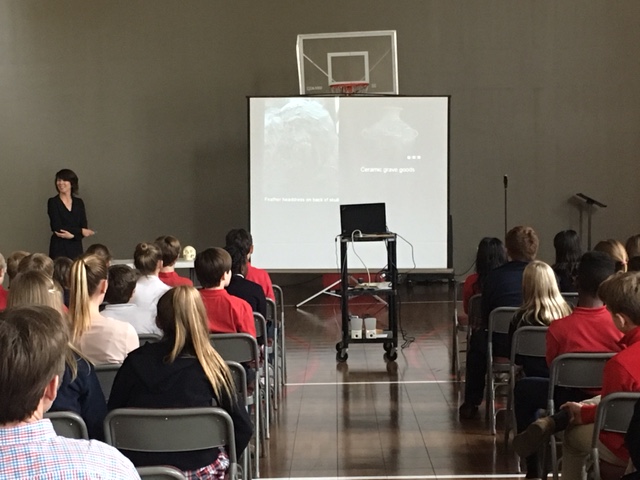
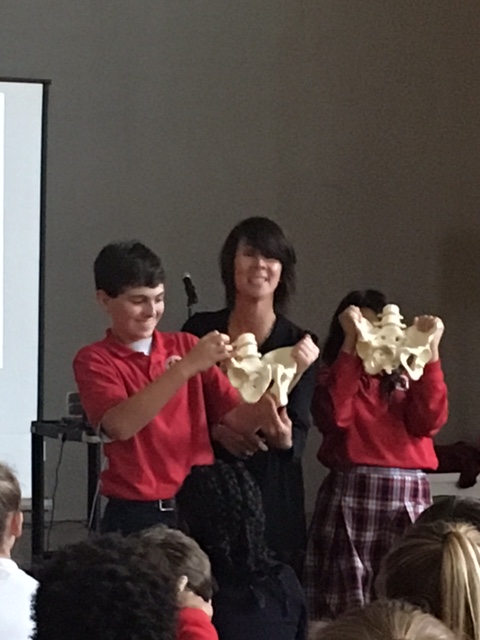
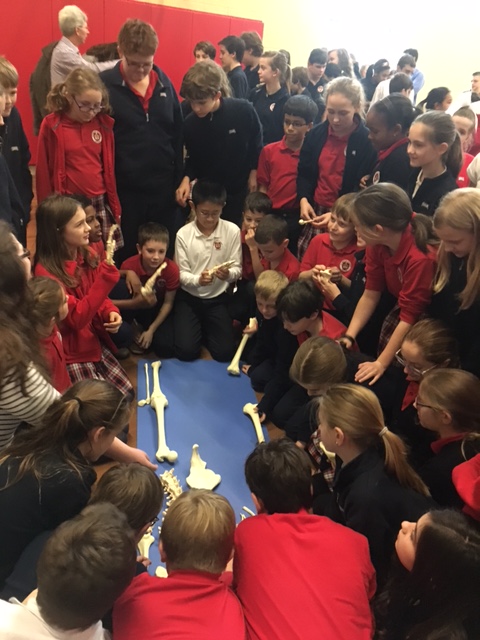
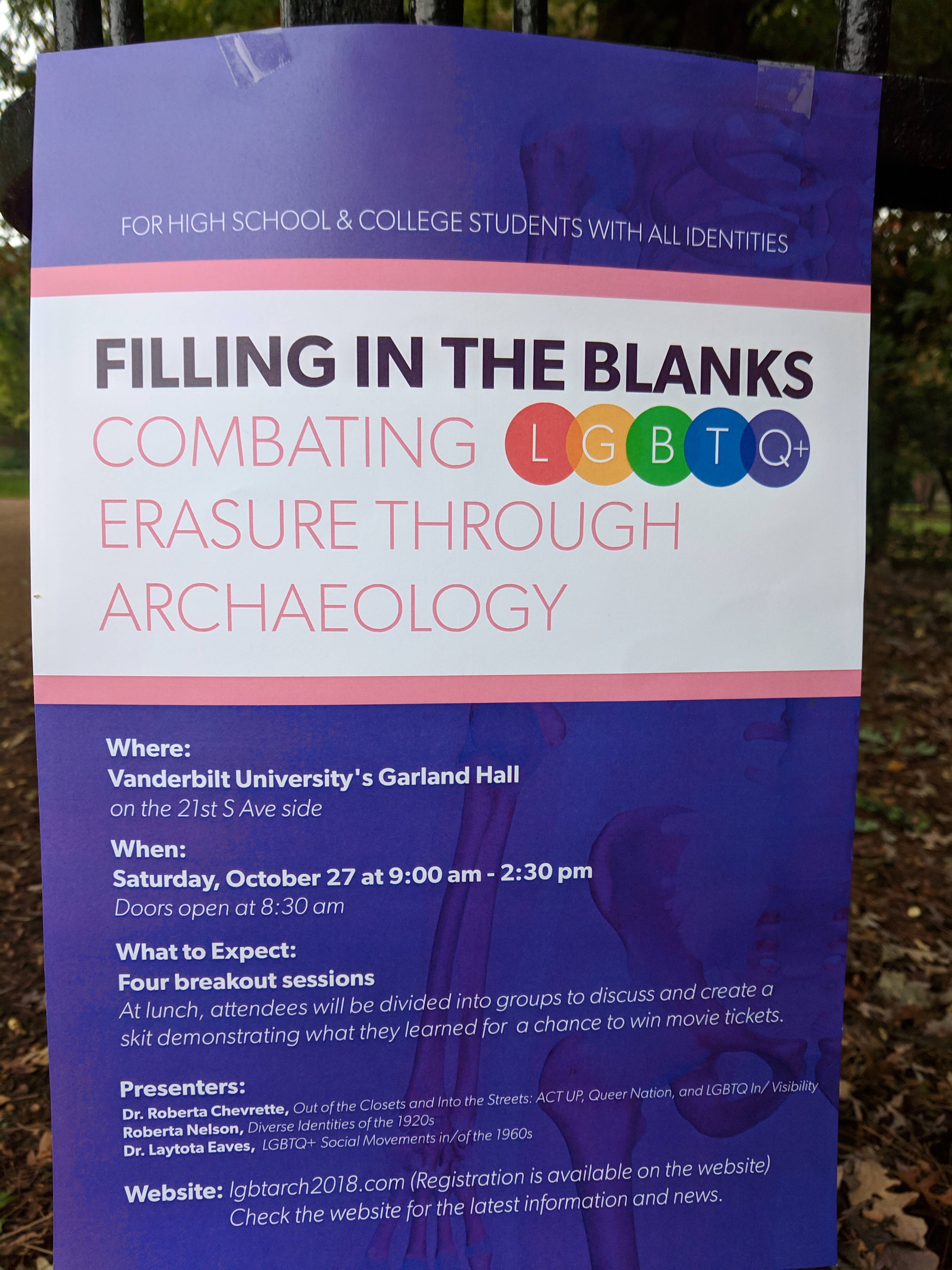
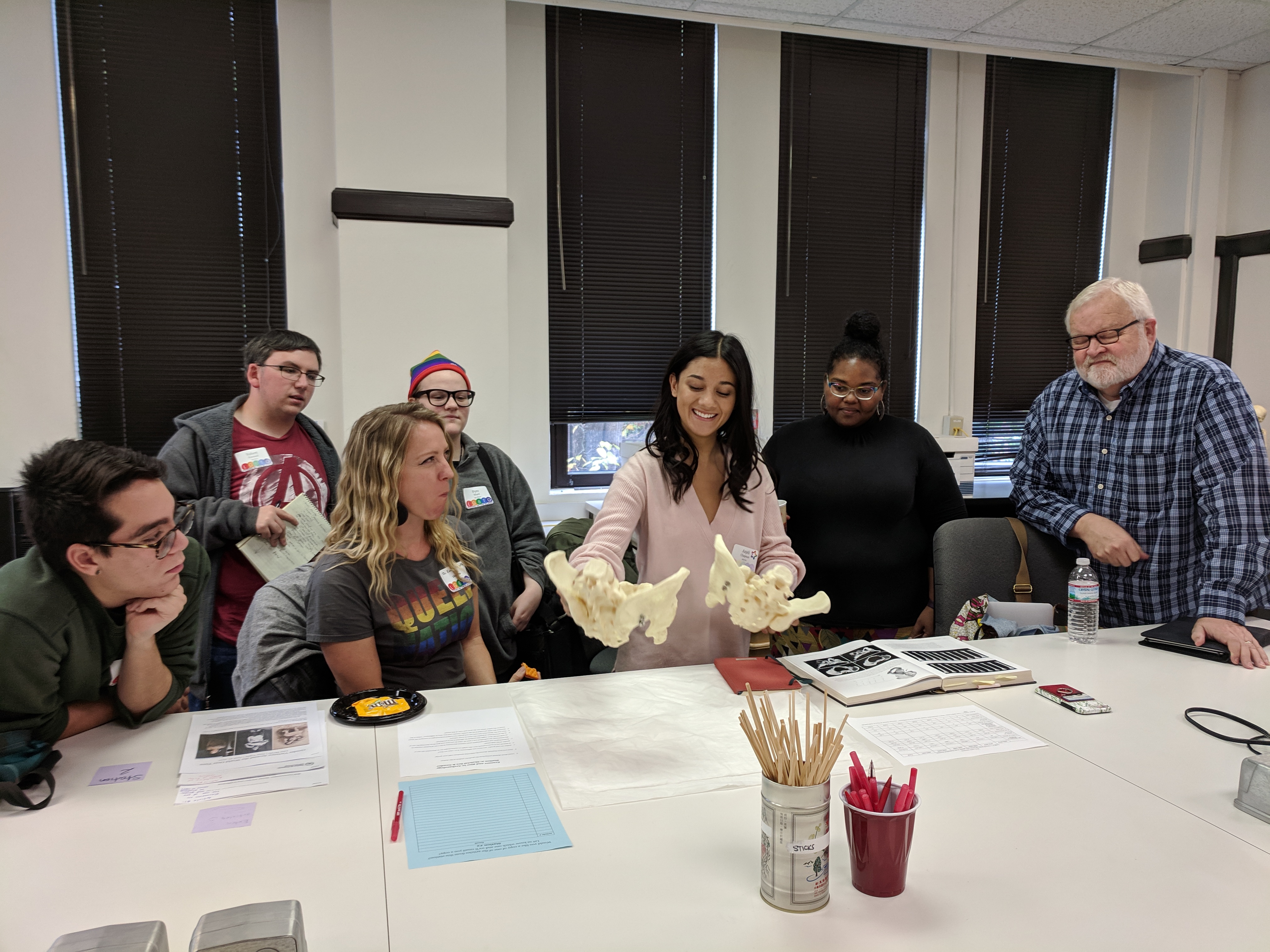
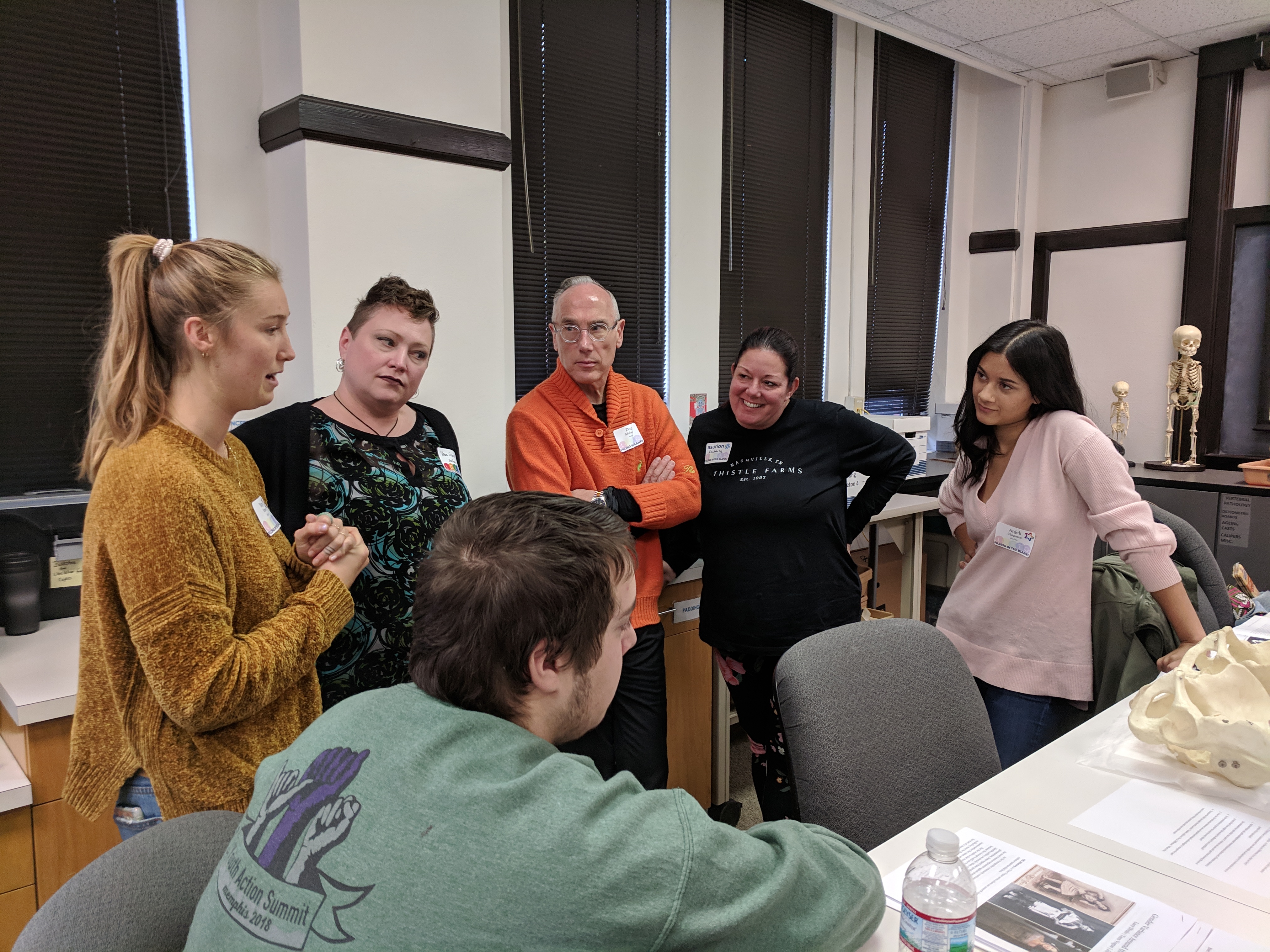
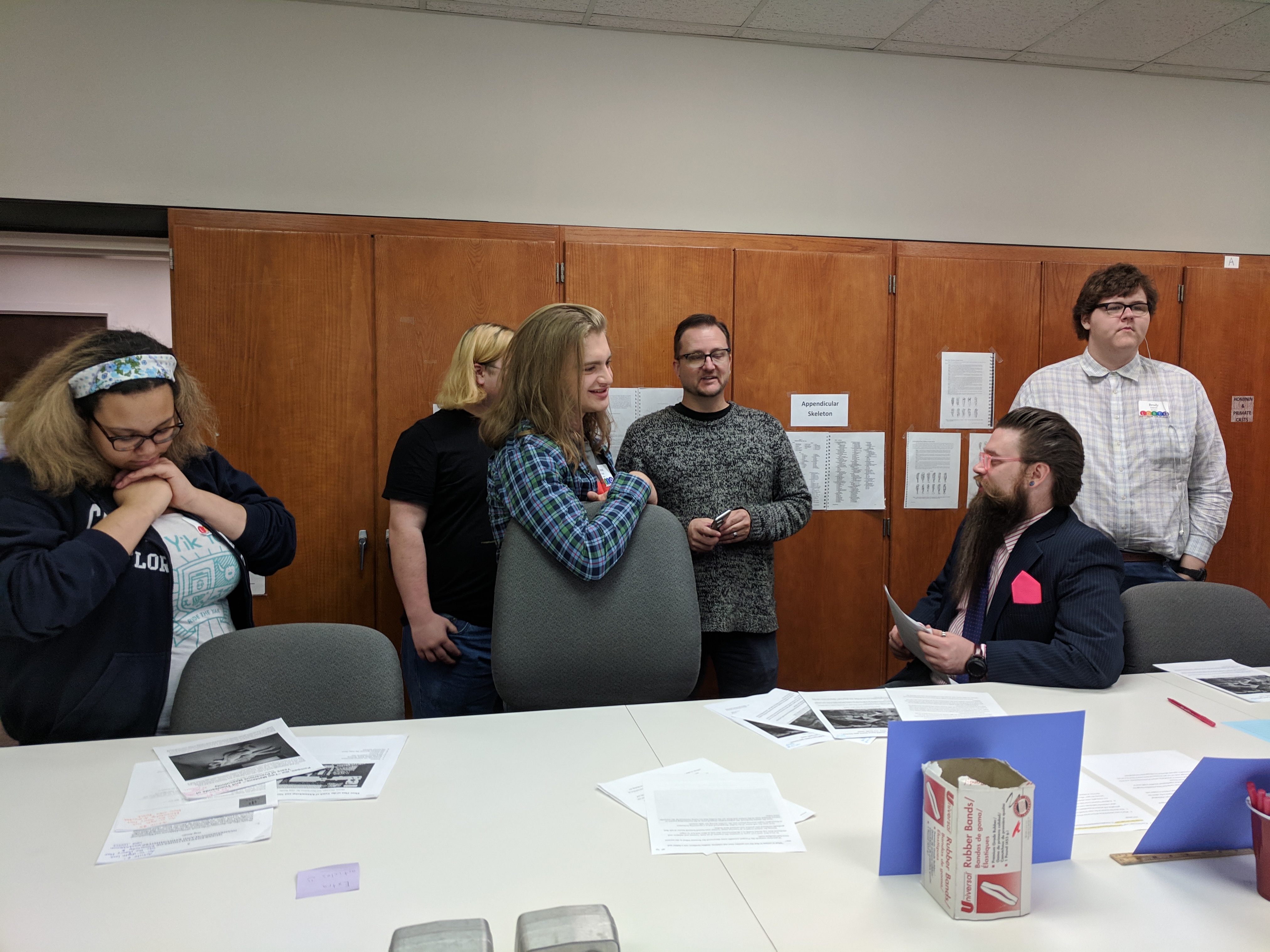
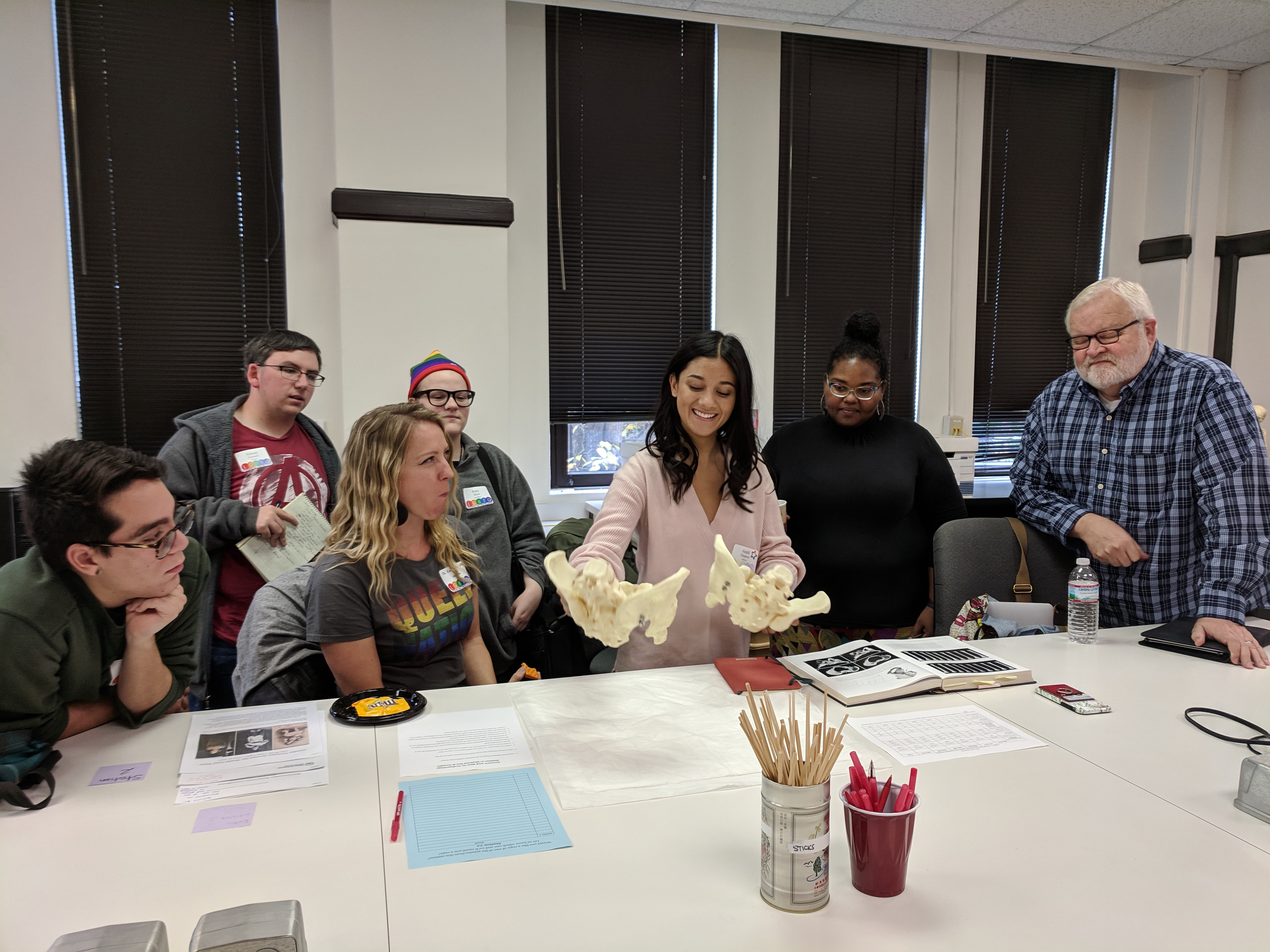
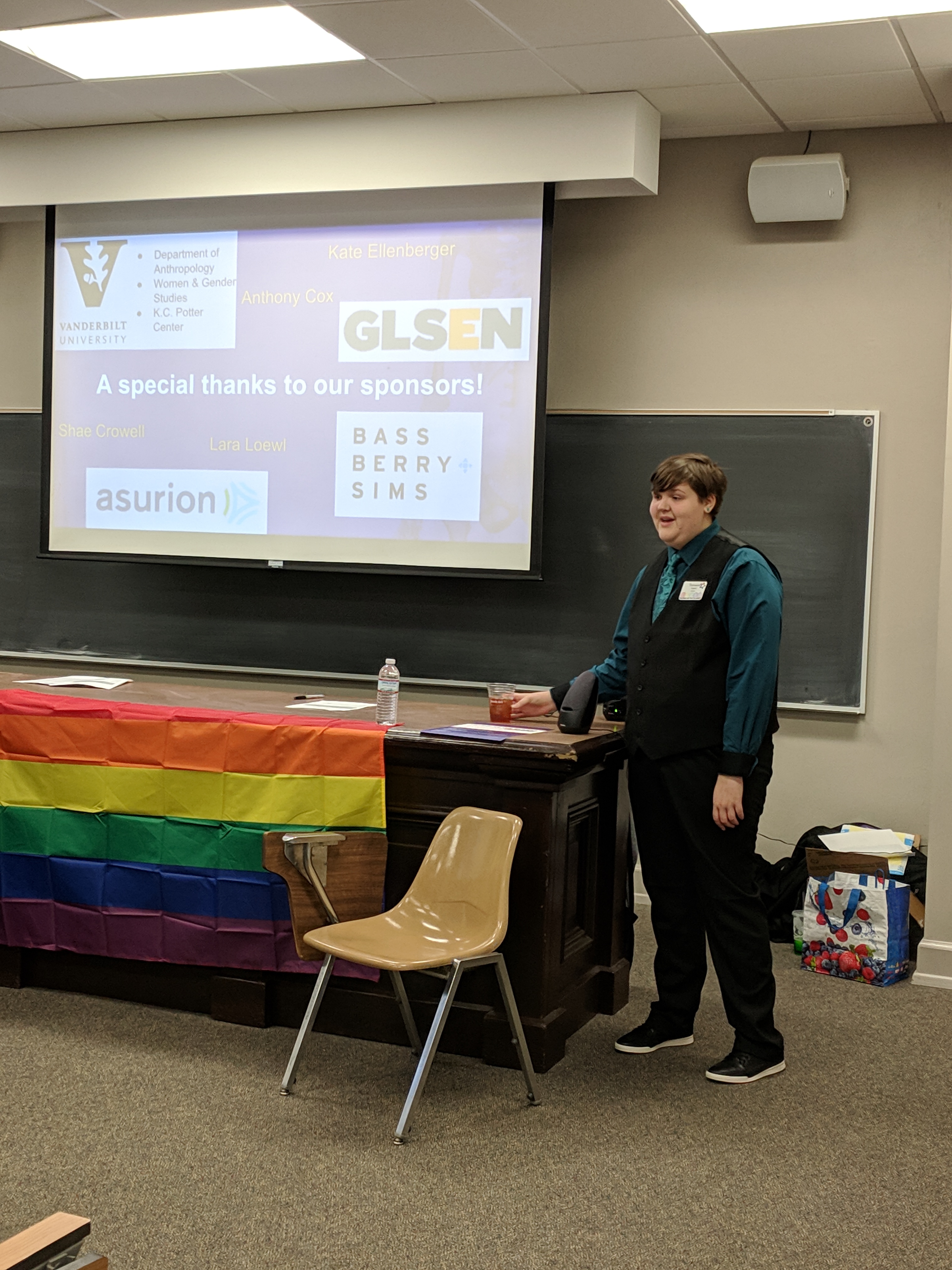
In addition to outreach lectures to school children, I give lectures at public events in the Nashville community, sponsored by such groups as the Rotary Club of Nashville and the City of Nashville, Parthenon Speakers Committee. I have also spoken at the TWISTER event organized by the Adventure Science Center in Nashville (TWISTER- Tennessee Women in Science, Technology, Engineering and Research). The event encourages young women to pursue higher education and consider majors (and careers) in the sciences. My graduate students and I often participate in this event, while also giving lectures to students at Nashville schools. In collaboration with interns, I also do outreach events on the Vanderbilt campus
Outreach in Peru
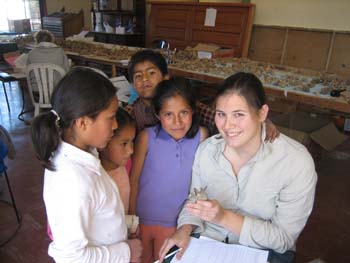
In Peru, I have presented frequent lectures to university students at the Universidad de San Cristóbal de Huamanga in Ayacucho and Universidad de San Agustín in Arequipa, as well as public lectures to the Ayacucho and Arequipa communities. My students and I also give informal lectures to Peruvian school children that visit our field osteology labs.
Museo de la Memoria
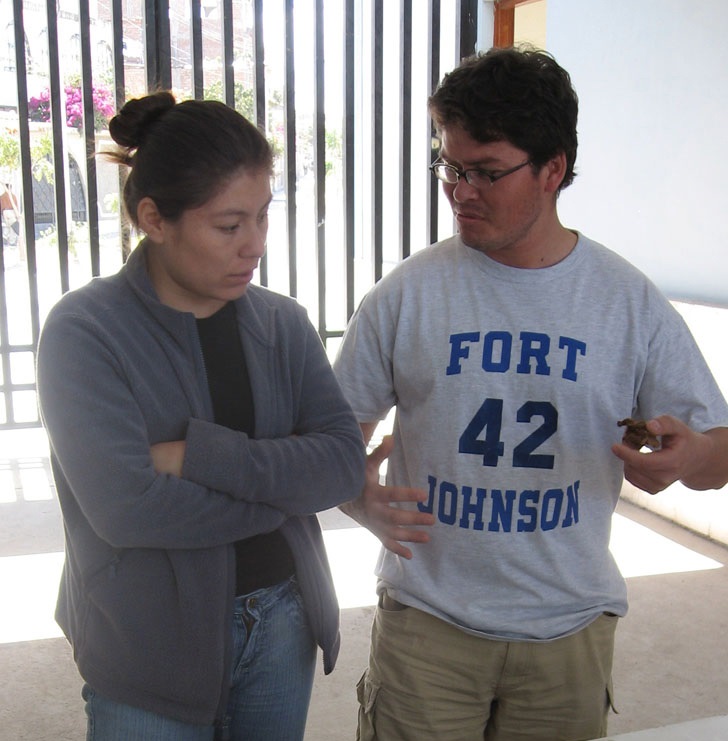
My students and I have also collaborated with volunteers and staff at the Museum of Memory in Ayacucho.
The region of Ayacucho (Huamanga) was the center of a violent conflict between Sendero Luminoso (Shining Path) and the Peruvian military in the 1980s to 1990s. Sadly, that conflict led to the death of tens of thousands of peasants and Ayacucho city dwellers, and many of those victim’s bodies are now being recovered by human rights groups staffed with forensic anthropologists. I confer with those forensic scientists, sharing resources and consulting on cases to identify skeletal trauma. Most recently, my isotope lab has been collaborating with the Ministry of Justice and Human Rights in Peru to examine the isotopic signatures of victims in an effort to identify their childhood geographical origins, which may assist in identifying the victims.

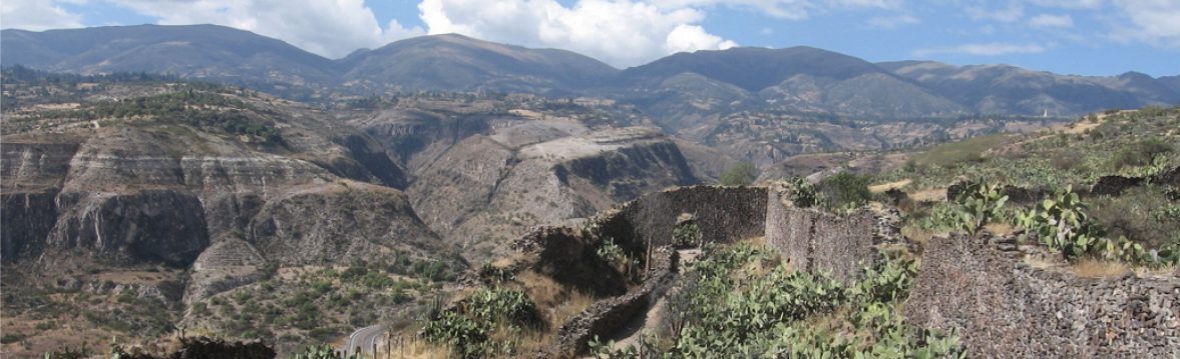
Many of the women in Huamanga who lost loved ones in that era of violence have come together to build the Museo de la Memoria (Museum of Memory) para que no se repita (so that these [violent events/injustices] won’t be repeated) (see photo above). My former student Ella Wilhoit wrote her Senior Honor’s Thesis about this museum. She is now an Assistant Instructional Professor of Anthropology at The University of Chicago.
Mummy Autopsy
The most comprehensive and far-reaching public outreach I have done involved a television series on the Discovery Channel entitled, “Mummy Autopsy”. These investigations were aimed at showing the general public how bioarchaeological and forensic research is conducted. These studies were undertaken with four excellent colleagues: James Murrell, Ken Nystrom, John Schultz, and Heather Walsh-Haney.
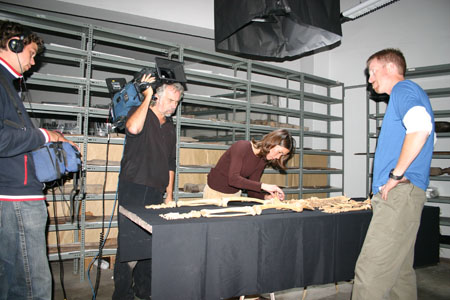
I was the key presenter in 12 different episodes that examined the various cultural contexts of the deaths of ancient peoples, and when possible, we documented the mechanism of death (e.g., lethal blunt force trauma, stab wounds on a skeleton, long-term infection). Some of the bioarchaeological case studies included analysis of the following: a skeleton of a Macedonian soldier; a group of Tiwanaku era adult and child burials recovered from a cave in the Salar de Uyuni in Bolivia; a presumed sacrificed man from the site of Cajamarquilla in Lima, Peru; a traumatic death of a post-Wari adolescent male from the site of Beringa in Majes valley, Peru; Nasca trophy heads recovered from the site of Cahuachi; 19th century burials from the Pacific War between Peru and Chile; an Anglo-Saxon burial group in Canterbury, England; and a skeletonized frontiersman from 19th century Wyoming.
The executive producers of “Mummy Autopsy” were Kate Botting and Ruth Sessions—an amazing pair that were superb ‘quick studies’ of bioarchaeology.
 Tiffiny A. Tung